
Welcome to the new frontier of creativity, where artificial intelligence isn’t just a tool but a collaborator, provocateur, and, some might argue, artist in its own right. From the ateliers of New York to the galleries of Hong Kong, AI art is challenging what we thought we knew about authorship, authenticity, and the human touch. Let me take you onto this new adventurous journey.
Among the leading pioneers is Refik Anadol, a Turkish-American artist whose works blend AI, architecture, and immersive design. His “Machine Hallucinations” series transforms vast datasets—images of cityscapes, satellite imagery, and even the human brain—into mesmerizing digital projections. Exhibited at MoMA and the Venice Biennale, Anadol’s work challenges the viewer to rethink their sensory experience. “Data is my pigment,” Anadol often says. And indeed, his creations blur the line between the tangible and the ephemeral.
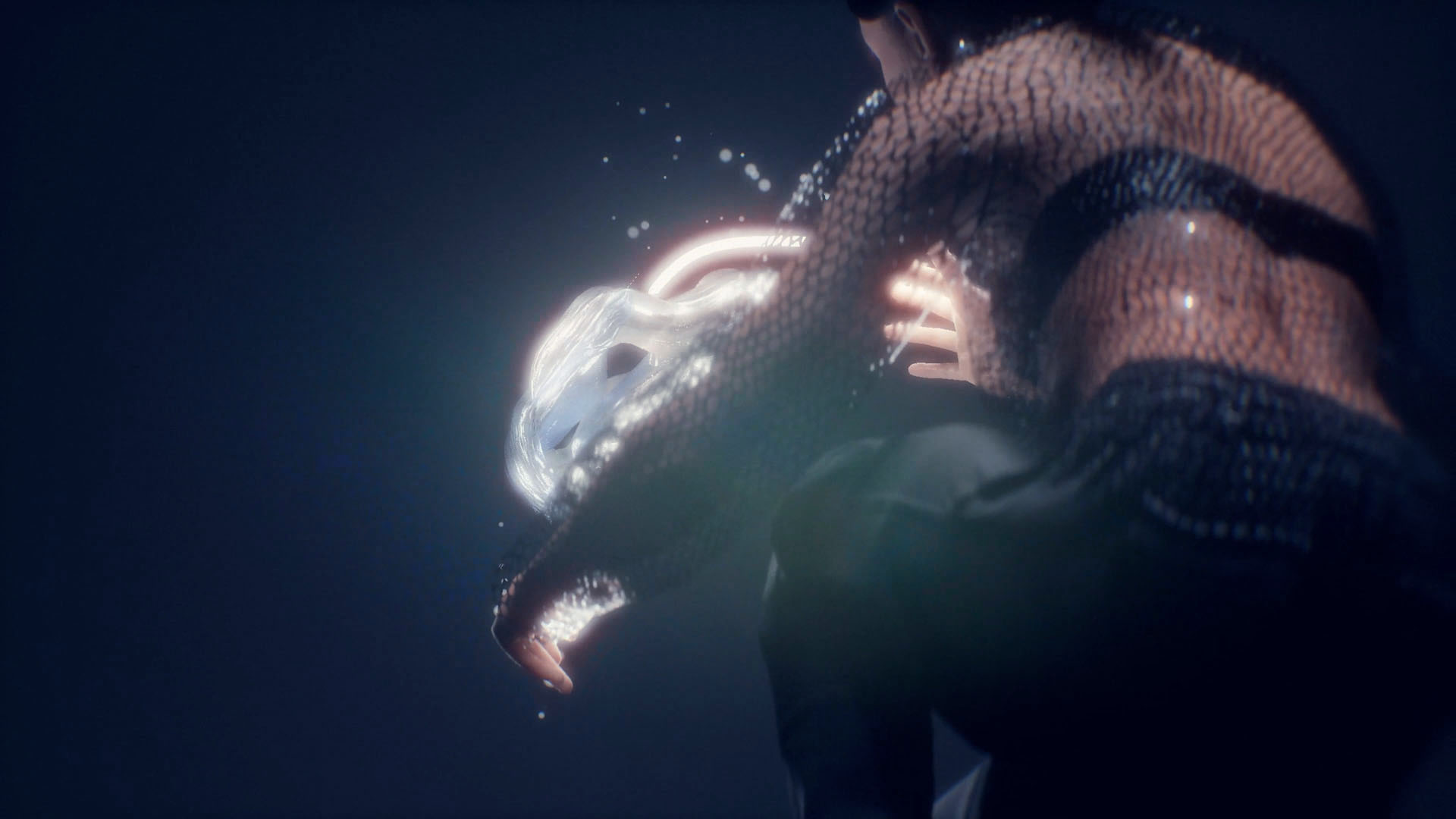
Another hyped artist is Sougwen Chung, whose AI-powered robotic arms assist her in painting. Her performances are deeply meditative, the machine mirroring her brushstrokes in real time, creating what she calls a “hybrid intimacy” between human and algorithm. Chung’s pieces have graced the walls of galleries like The Drawing Center in New York, sparking conversations about collaboration versus control.
Then there’s Ai-Da, the world’s first humanoid robot artist. Designed by a team of scientists and engineers, Ai-Da can sketch, paint, and even participate in philosophical debates about creativity. Her exhibition at Oxford’s Ashmolean Museum in 2021 was both a triumph and a flashpoint, raising questions about whether her work—and by extension, AI art—could ever be considered genuinely original.
Forward-thinking galleries have been quick to embrace this trend. Pace Gallery, long a bastion of contemporary art, has devoted significant resources to promoting AI-driven works. Its partnership with Anadol—exemplified by the monumental “Unsupervised” installation at MoMA—has solidified its role as a leader in this space.
Similarly, London’s Barbican Centre has showcased AI art through groundbreaking exhibitions like “AI: More Than Human,” which featured last year works by artists and technologists exploring the creative potential and ethical quandaries of artificial intelligence.
Even Christie’s and Sotheby’s, bastions of the art market establishment, have entered the fray. Christie’s famously sold an AI-generated portrait, “Edmond de Belamy,” for $432,500 in 2018, a watershed moment that signaled the market’s readiness for machine-made art.

Edmond de Belamy: Wikimedia commons
Meanwhile, galleries are also experimenting with blockchain to authenticate and sell AI art. This approach ensures that digital works retain value and verifiability. Verisart, a blockchain-based certification platform, has been instrumental in this shift, helping galleries and artists navigate the challenges of proving originality in a digital-first art world.
Beyond the headline-grabbing names, countless artists are experimenting with AI in subtle and transformative ways. In Los Angeles, Anna Ridler works with GANs (generative adversarial networks) to create video installations that explore themes like memory and climate change. Her “Mosaic Virus” reimagines historical tulip patterns, using a dataset of tulip photographs and code to create shifting, dreamlike visuals.
Meanwhile, Trevor Paglen’s “Untrained AI” critiques the often-overlooked biases embedded in AI systems. Exhibited at the Tate Modern, Paglen’s work prompts viewers to question the hidden power dynamics in our increasingly automated world. “AI isn’t neutral,” he warns. “It reflects the values of those who create it.”
For all its promise, AI art is not without controversy. Critics argue that it raises thorny issues about authorship. If an algorithm produces a painting, who owns it? The programmer? The dataset provider? Or the machine itself? These questions have already led to legal disputes, most notably in the case of artists who claim that their works have been scraped from the internet to train AI models without consent.
Then there’s the issue of bias. AI models are only as objective as the data fed into them, and many datasets carry the biases of their creators. This has led to accusations that some AI-generated art perpetuates stereotypes or excludes underrepresented voices. “The technology is fascinating, but it’s not free from the prejudices of the people building it,” says Claire Bishop, an art historian and critic.
Moreover, the environmental cost of AI cannot be ignored. Training large models requires immense computational power, which in turn demands vast amounts of energy. For artists like Anadol, whose works rely on processing terabytes of data, this creates a paradox: Can a work of art that consumes so many resources truly be considered progressive?
Yet, for all the skepticism, AI is undeniably unlocking new creative possibilities. Artists like Klingemann see it as a democratizing force, offering tools that allow anyone to create. “AI doesn’t replace creativity,” he argues. “It amplifies it.”
This sentiment is echoed by institutions like the Serpentine Galleries, which recently launched a research and development lab dedicated to exploring AI’s potential in art. The lab collaborates with technologists, philosophers, and artists to push the boundaries of what’s possible. Their first major project, “Future Art Ecosystems,” envisions a world where AI seamlessly integrates into every aspect of artistic production and curation.
The rise of AI art has also created new opportunities for collectors and investors. With platforms like Verisart providing blockchain-based provenance records, buyers can ensure the authenticity of digital works. This technology not only protects the value of AI art but also provides a blueprint for the future of art sales in an increasingly digital economy.
The future however is unwritten and as AI continues to evolve, it will undoubtedly reshape the art world in ways we can’t yet predict. Will it lead to a new golden age of creativity, or will it render human artists obsolete? Perhaps the answer lies somewhere in between. What’s clear is that we’re standing at the edge of a profound transformation, one that forces us to confront not just the nature of art but the essence of humanity itself.
A question that is lingering in my mind is: Could a machine ever feel the ineffable joy, anguish, or longing that defines great art?